Check Claims

Walk through a clear, repeatable process to test any statement you see, share, or doubt.
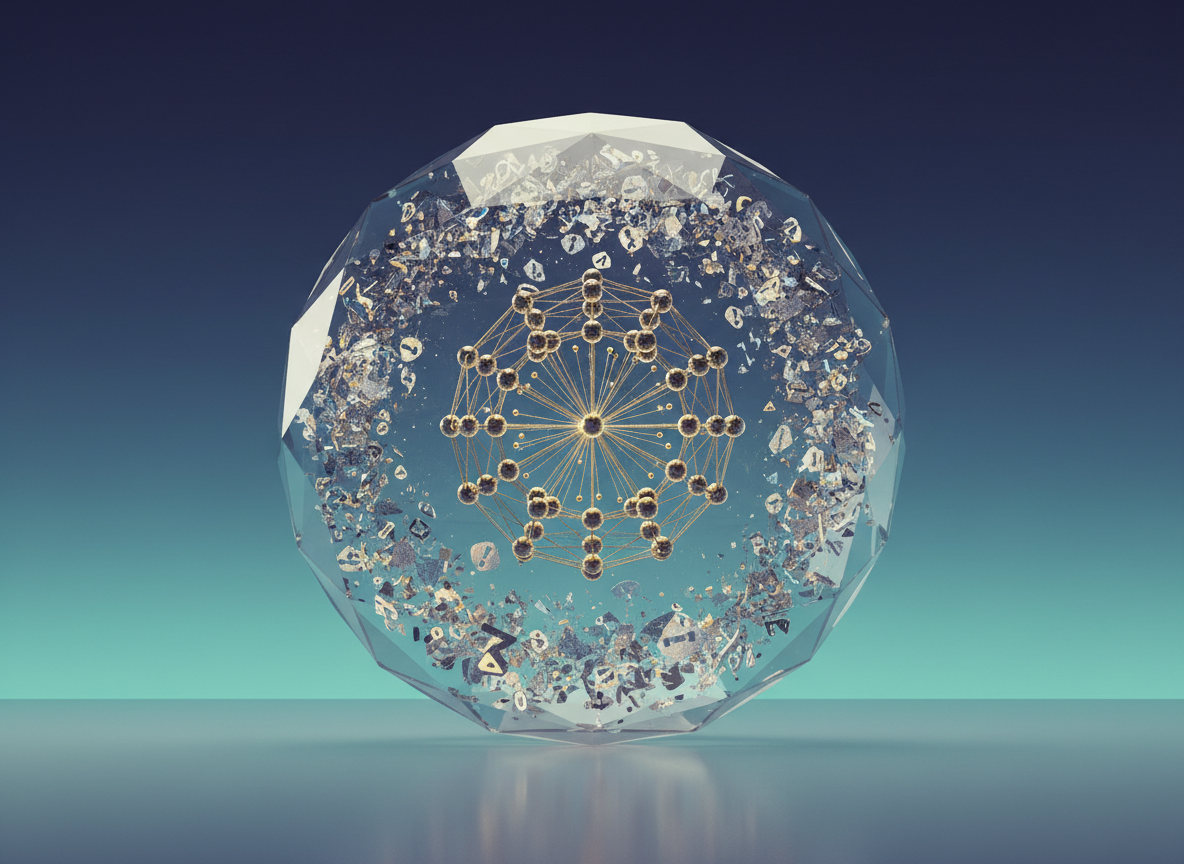
A refined digital-art image of a large, transparent, faceted sphere suspended in a twilight gradient background of deep indigo fading to soft turquoise. Within the sphere, two distinct layers are visible: an outer shell of swirling, noisy fragments—broken arrows, exclamation icons, and distorted data shapes—surrounding a calm inner core of neatly arranged nodes connected by thin golden lines. No humans or text appear. A subtle spotlight from above left creates shimmering highlights on the sphere’s facets and gentle reflections on an implied glossy surface below. Shot from a low three-quarter angle, the composition centers the sphere with generous negative space. The mood is contemplative and sophisticated, illustrating the process of looking past surface noise to reach structured, reliable information.

Claim checklist

Paste a claim, then follow each question in order to record sources, evidence, and confidence.

← Back

Thank you for your response. ✨

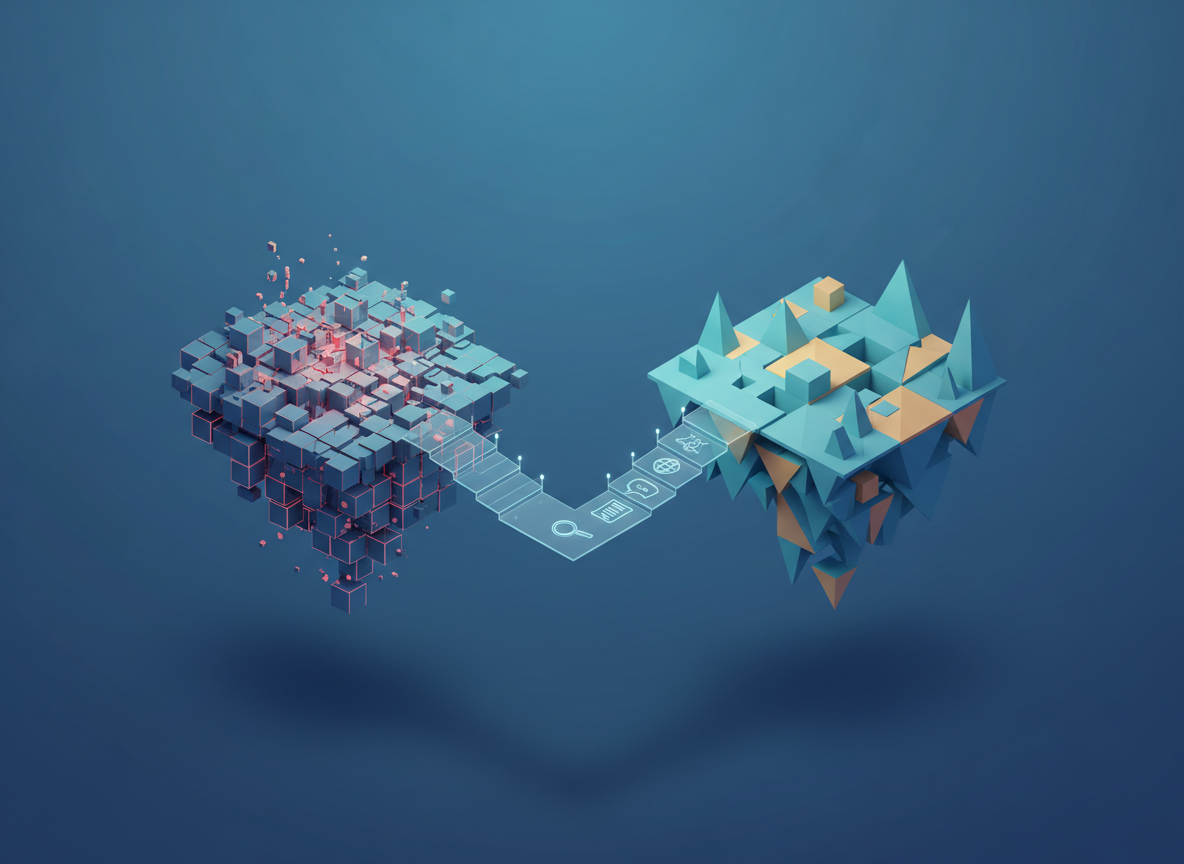
An isometric digital-art illustration of two neighboring islands floating in a deep, calm blue space, connected by a graceful arching bridge. One island, labeled only through visual cues, is built from fragmented, glitchy cubes emitting faint red error-style glows, symbolizing misinformation and disinformation. The other island is composed of smooth, interlocking geometric shapes in cool blues and soft golds, representing verified knowledge. The bridge is constructed of translucent steps, each etched with simple icons for search, source, context, and evidence rather than text. Gentle, diffused lighting from above casts soft, elongated shadows, creating a serene yet purposeful mood. The composition uses a wide angle with clear depth, emphasizing transition and understanding rather than fear or conflict.

Checklist

Use this guide alongside the checklist: each step explains why it matters, what to look for, and shows simple examples so you can practice separating unsupported rumors, honest mistakes, and deliberate attempts to mislead.

About

How We Check Claims

This framework borrows from professional fact-checking: start with the exact claim, seek primary sources, weigh expert consensus, and note uncertainty. Rather than labeling people, we rate statements by evidence strength so you can see why a conclusion is justified.
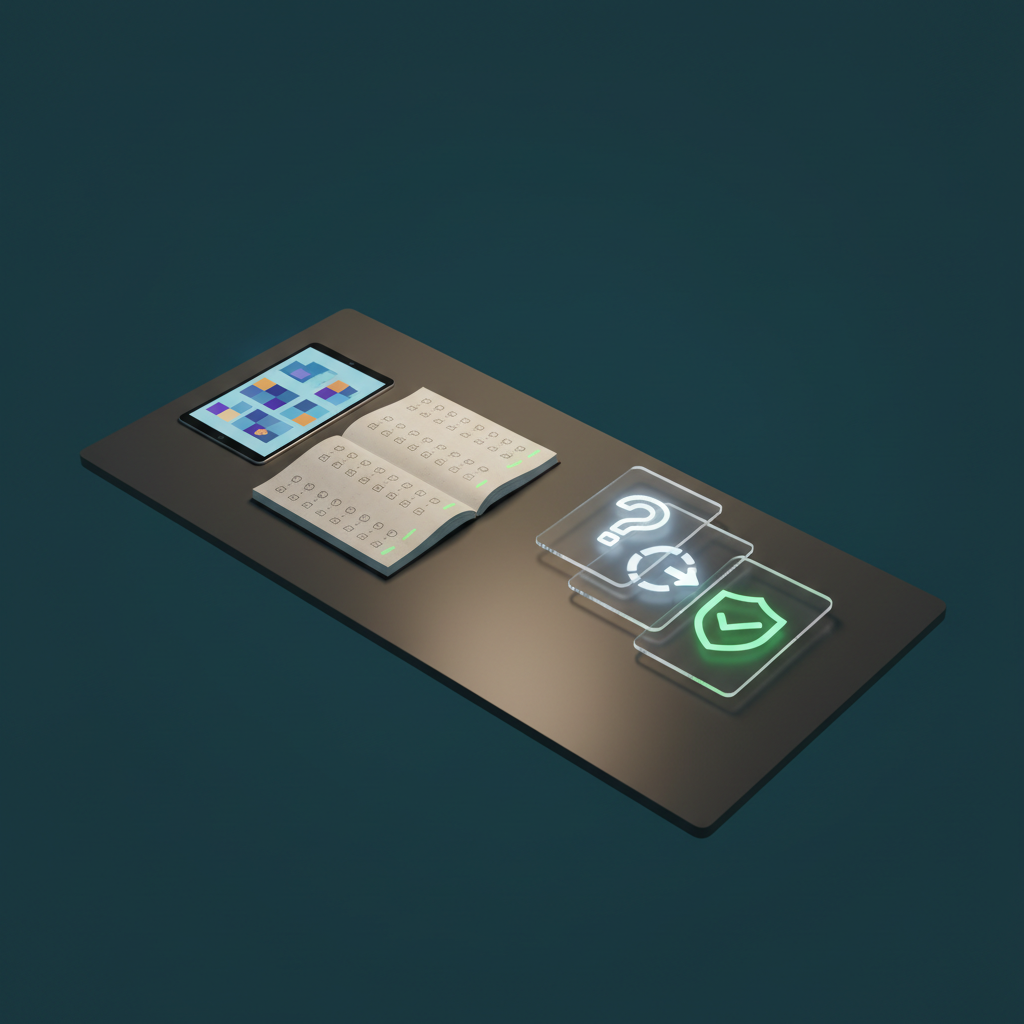
A digital-art scene of a sleek, minimal desk surface floating in a dark teal void, covered with non-textual research tools: a glowing tablet displaying structured colored blocks, a notebook made of textured paper filled with neat checkmarks as icons, and a set of elegant transparent overlays forming a step-by-step verification flow. No words, faces, or logos appear. Soft, focused overhead lighting highlights the center of the desk, fading gently toward the edges to suggest concentration and clarity. The camera is at eye level with a slight tilt, using the rule of thirds to emphasize a sequence from question mark icons to green verification badges. The atmosphere is calm, methodical, and sophisticated, evoking a practical guide to checking claims without any alarming imagery.